






Jul 14, 2024
Залишити повідомлення
Type of Elevator: The type of elevator system used can affect noise levels. Traditional hydraulic elevators may produce more noise due to the pump and hydraulic system, whereas machine room-less (MRL) or gearless traction elevators are often quieter.
Elevator Components: The quality and maintenance of elevator components, including the motor, cables, and pulleys, can influence noise levels. Well-maintained elevators tend to be quieter.

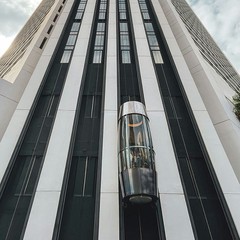
Vibration Dampening: Quality panoramic elevators are often designed with vibration-dampening features to reduce noise and vibrations.
Building Construction: The noise level can also depend on the building's construction. A well-insulated, soundproofed elevator shaft can help minimize noise transmission from the elevator to adjacent spaces.
Use of Noise Reduction Materials: Quality panoramic elevators often incorporate noise-reduction materials in the elevator car and along the shaft walls to help minimize sound transmission.
Maintenance: Regular maintenance and servicing are crucial for keeping an elevator quiet. Properly lubricated parts and well-tuned components are less likely to create noise.
In general, modern panoramic elevators are designed to be relatively quiet to provide a pleasant and peaceful riding experience. Noise should not be a significant concern in well-designed and properly maintained elevators. However, it's essential to choose a reputable manufacturer and ensure that the elevator is installed and maintained according to best practices to minimize noise issues. Additionally, building design and acoustics can play a role in managing noise in elevator areas. If noise is a concern, it's advisable to discuss it with the elevator manufacturer or installer to ensure that appropriate measures are taken during the design and installation process.
Послати повідомлення